.png)
Plumbing for Historic & Older Homes in Grass Valley, CA
There’s nothing quite like an older Grass Valley home. The craftsmanship, the character, the sense that the place has a story. But behind those beautiful walls, the plumbing is often decades past its prime, and that’s where the charm can turn into a headache.
If you own a historic or older home in Grass Valley, Nevada City, or anywhere in Nevada County, this guide walks you through what to watch for, when it’s time to update your pipes, and how to modernize without stripping away the character that made you fall in love with the house in the first place.
Why older Grass Valley homes have unique plumbing needs
Grass Valley grew up around the Gold Rush, and a lot of our housing stock reflects that history. Many homes here were built long before modern plumbing codes existed, then updated piecemeal over the years by different owners and different tradespeople. The result is a patchwork: original galvanized steel lines running alongside newer copper, old fittings that no longer meet code, and drainage or venting that was never designed for how we use water today.
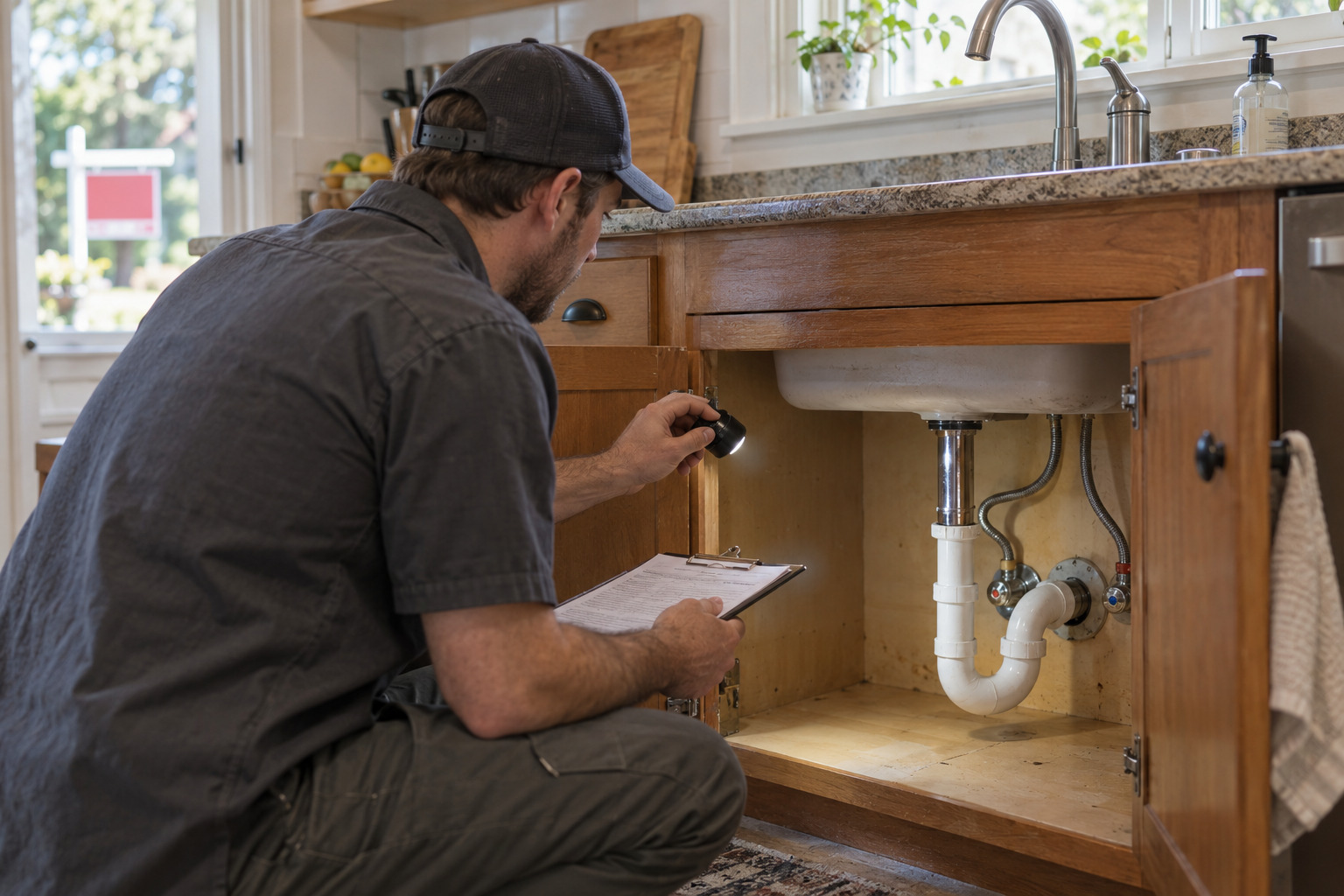
That layered history is exactly why older homes need a plumber who slows down and looks at the whole system rather than just the leak in front of them. What looks like one small problem is often a symptom of aging infrastructure underneath.
What are the most common plumbing problems in old houses?
The most common plumbing problems in older Grass Valley homes are corroded galvanized or lead pipes, low water pressure, aging sewer laterals, and outdated venting that no longer meets current code. Here’s what each one looks like in practice:
- Corroded galvanized and lead pipes. Homes built before the 1960s often used galvanized steel, which rusts from the inside out. Over time this restricts flow, discolors your water, and eventually leaks. Some very old homes still have lead components, which is a health concern worth addressing.
- Low water pressure. When mineral buildup and corrosion narrow the inside of old pipes, pressure drops throughout the house. It usually gets worse gradually, so many owners don’t notice how bad it’s become until a plumber measures it.
- Aging sewer laterals. The line running from your home to the main is often original, and decades of tree root intrusion, cracks, and settling can cause slow drains or backups.
- Outdated venting and drainage. Older drainage systems were sometimes undersized or improperly vented by later remodels, leading to gurgling drains, slow fixtures, and sewer odors.
How do you know when an old home needs repiping?
You likely need repiping when you see several warning signs at once rather than a single isolated issue. Watch for:
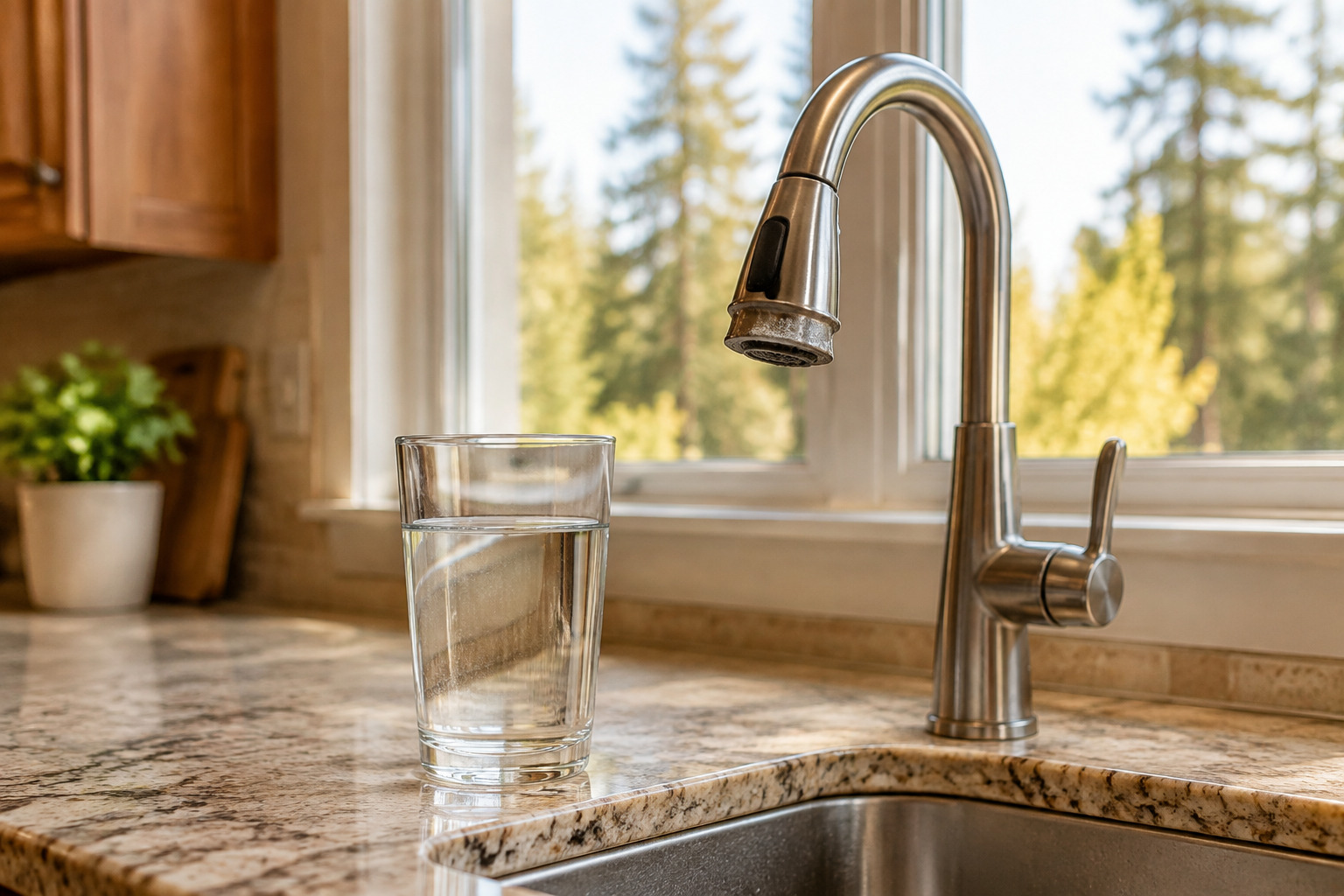
- Rusty, brown, or metallic-tasting water, especially first thing in the morning
- Water pressure that keeps dropping across multiple fixtures
- Recurring leaks, since one pinhole leak in old pipe usually means more are coming
- Visible corrosion, flaking, or staining on exposed pipes
- Frequent repairs that are starting to add up to the cost of a real fix
One leak is a repair. A pattern of leaks, discoloration, and pressure loss together is your home telling you the pipes themselves have reached the end of their life.
Galvanized vs. modern piping (PEX and copper): what to expect
.png)
If your home still runs on galvanized steel, replacing it with modern piping makes a noticeable difference in water quality, pressure, and reliability. Today most repipes use either copper or PEX.
Copper is durable, time-tested, and handles heat well, though it costs more and takes longer to install. PEX is a flexible plastic piping that’s more affordable, faster to install, and easier to route through the tight, unpredictable framing of an old house, which is a real advantage when you’re trying to avoid tearing open historic walls. The right choice depends on your budget, your home’s layout, and how much of the structure you want to preserve. A good local plumber will walk you through both rather than pushing one option.
Updating plumbing without damaging your home’s character
.png)
This is where working with a plumber who specializes in older and historic homes really matters. At Principled Plumbing, historical renovation and restoration plumbing is a core part of what we do, because updating a century-old home is not the same job as roughing in a new build.
Preservation-minded plumbing means finding smart routing paths so we open as few walls as possible, protecting original finishes, flooring, and trim during the work, and matching modern upgrades to the home’s structure instead of forcing the structure to accommodate the plumbing. It means treating your home like the irreplaceable thing it is. The goal is simple: bring the plumbing fully up to today’s standards for safety and performance while leaving the character that makes your home special exactly as you love it.
What does repiping an older home cost?
Repiping an older home in the Grass Valley area typically ranges from a few thousand dollars for a smaller home to well over ten thousand for a larger or more complex property. The final price depends on the size of the home, how many bathrooms and fixtures you have, whether you choose copper or PEX, and how accessible the existing pipes are behind walls and under floors.
Historic homes can sit on the higher end simply because careful, preservation-focused work takes more time and planning. The honest answer is that every old home is different, which is why we give a clear, flat-rate quote after seeing your home in person, so you know the full cost before any work begins. No surprises, no hidden fees.
Frequently asked questions
Is it safe to keep galvanized pipes in an old home? Galvanized pipes can keep working for a while, but they corrode from the inside and eventually restrict flow, discolor your water, and leak. If yours are original and decades old, it’s worth having them inspected so you can plan a replacement before a failure forces the issue.
Do old homes need permits to repipe? Yes. Repiping requires permits and code-compliant work in Nevada County, which protects you and keeps the home insurable and sellable. A licensed plumber handles the permitting and makes sure everything meets current code.
How long does a repipe take? Most home repipes take a few days to about a week, depending on the size of the home and the complexity of the routing. Older homes sometimes take a little longer because careful, preservation-focused work can’t be rushed.
Can you update the plumbing without tearing up my historic walls? In most cases, yes. Experienced plumbers plan routing to minimize wall openings and protect original finishes. Some access is usually necessary, but a preservation-minded approach keeps it to a minimum.
Ready for a plumber who respects your older home?
Your historic Grass Valley home deserves plumbing that’s safe, reliable, and up to code, handled by a team that treats your property with care. Principled Plumbing Inc. specializes in restoration and older-home plumbing across Grass Valley, Nevada City, and the surrounding Nevada County communities.
Schedule a free on-site evaluation today. Call us at (530) 264-0464 or request your free quote, and let’s keep your home’s story going for years to come.