When plumbing emergencies strike or routine maintenance is needed, finding the right professional plumber can mean the difference between a quick fix and costly property damage. Whether you’re dealing with a burst pipe in your home or business, need installation services for new fixtures, or require ongoing maintenance for your plumbing system, understanding what quality plumbing services entail is essential for every property owner.
This comprehensive guide will help you navigate the world of professional plumbing, from understanding what plumbers do to choosing the right trusted plumbing company for your specific plumbing needs. We’ll cover everything from emergency services and routine maintenance to pricing factors and specialized certifications, ensuring you have all the information needed to make informed decisions about your plumbing solutions.
What is a Plumber and What Do They Do
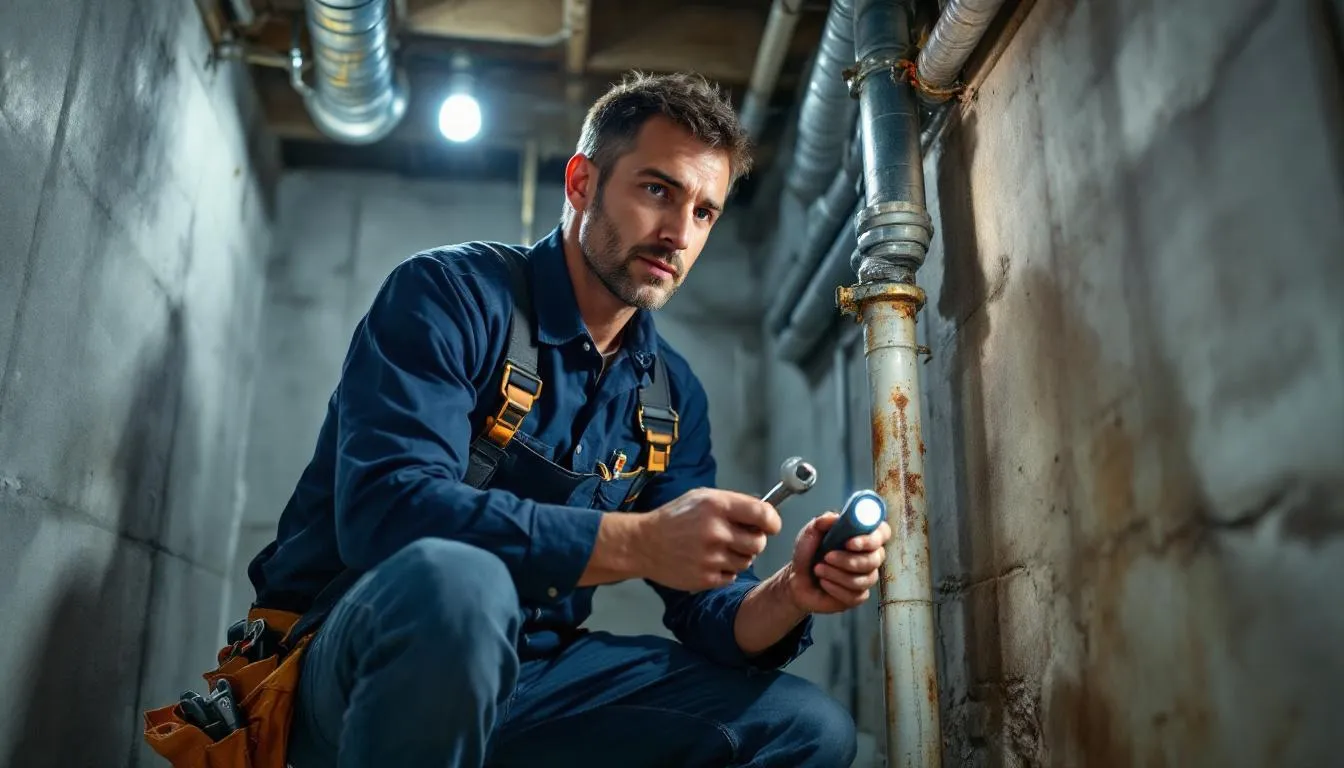
A plumber is a licensed professional who specializes in installing, repairing, and maintaining water supply systems, drainage systems, and gas lines in residential and commercial properties. These skilled technicians handle a wide range of plumbing needs, from simple fixture repairs to complex system installations that require adherence to local building codes and safety regulations.
Professional plumbers work with various materials including copper, plastic (PVC, PEX), and steel pipes, using specialized tools and equipment to diagnose plumbing problems accurately. Their expertise extends beyond basic repairs to include system design, blueprint reading, and troubleshooting using advanced diagnostic equipment. According to the U.S. Bureau of Labor Statistics, approximately 469,900 plumbers, pipefitters, and steamfitters were employed in the United States as of 2022, with a median annual wage of approximately $60,090.
Modern plumbers must stay current with evolving technologies, from traditional soldering and threading techniques to newer methods involving plastic pipe installation and smart home integration. They ensure all work complies with local codes while prioritizing safety and efficiency in every job they undertake.
Essential Plumbing Services Offered
Professional plumbing services encompass a broad spectrum of installations, repairs, and maintenance tasks. A reliable plumber typically offers comprehensive plumbing solutions that address both immediate needs and long-term system health. These services range from emergency repairs that prevent water damage to planned installations that enhance property value and efficiency.
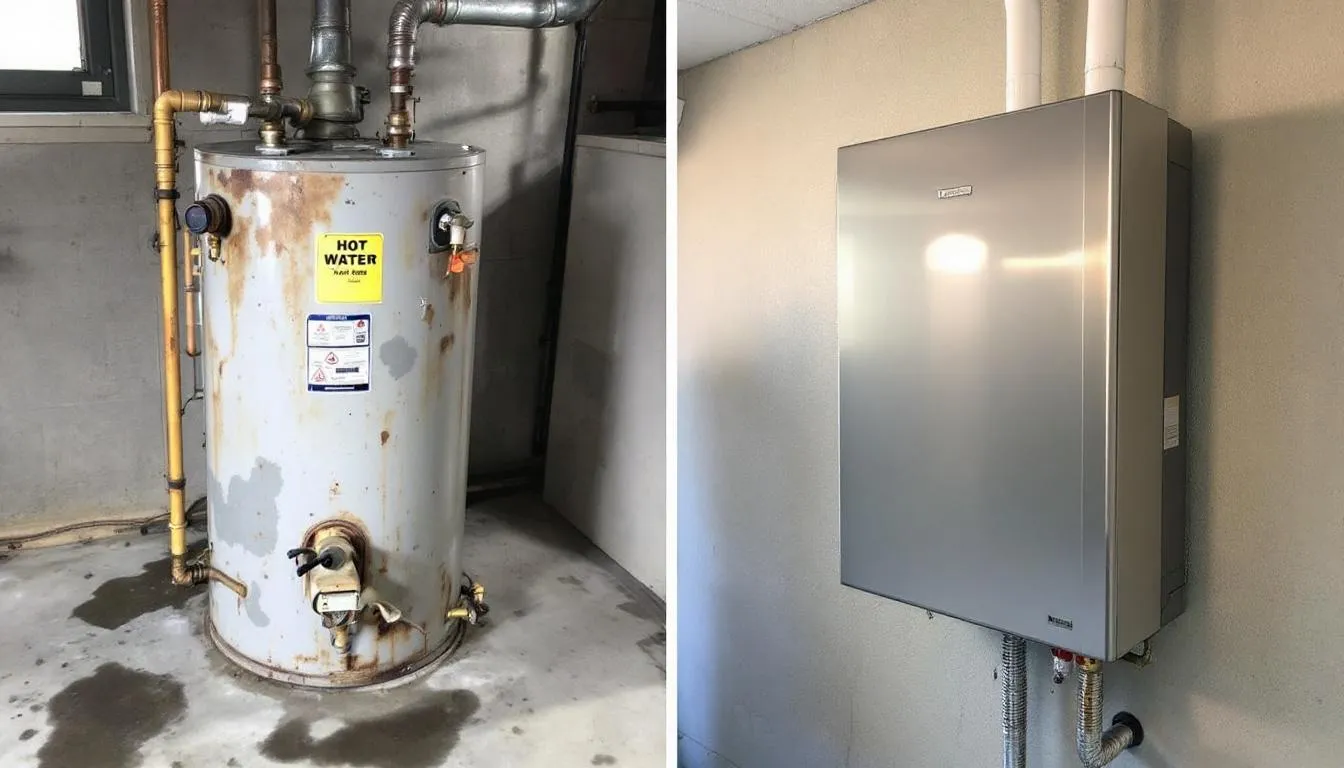
The core services include emergency plumbing repairs for burst pipes, severe leaks, and clogged drains that require immediate attention. Water heater repair and installation for both tank and tankless systems represent another crucial service area, as these appliances are essential for daily comfort and business operations. Professional drain cleaning and sewer line services, including hydro jetting and camera inspections, help maintain proper drainage and prevent costly backups.
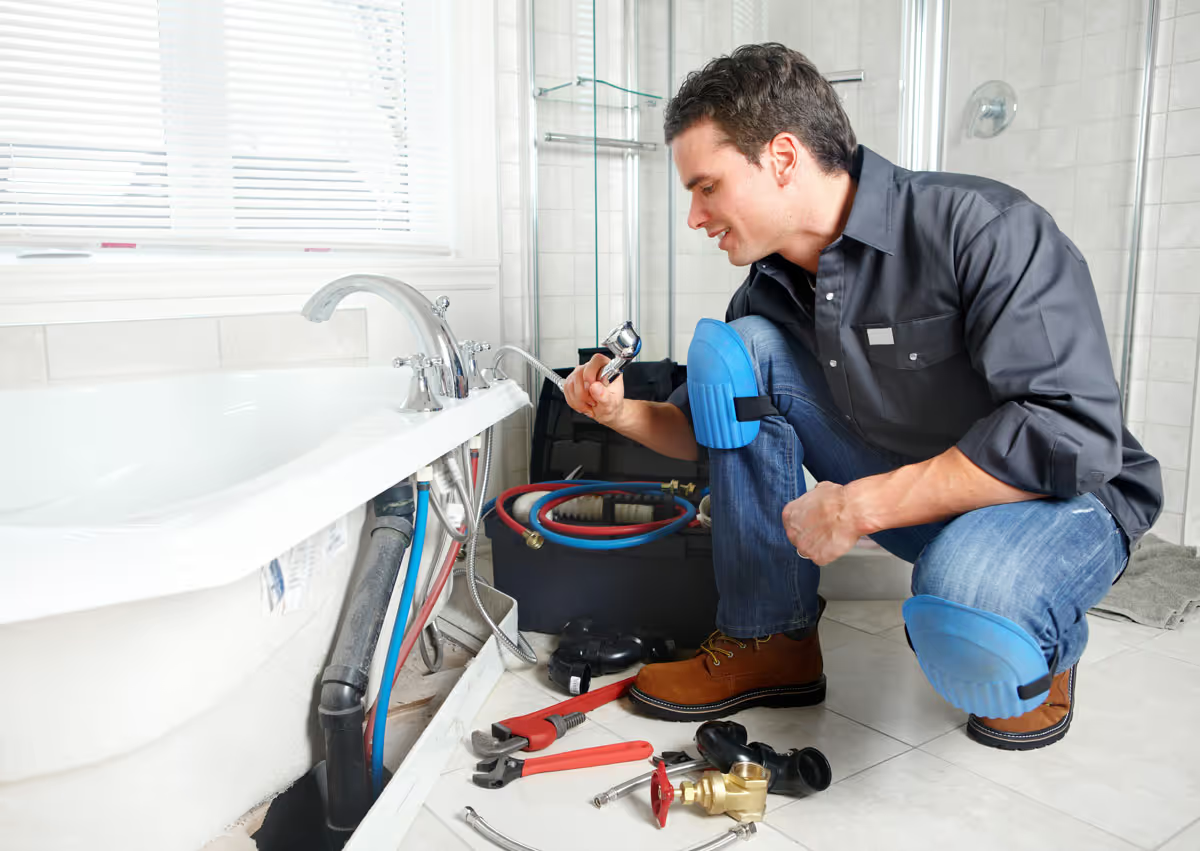
Fixture installation services cover bathroom and kitchen components including toilets, sinks, faucets, and garbage disposals. Many plumbing companies also handle gas line installation and repair for appliances and heating systems, requiring specialized licensing and safety protocols. For aging properties, pipe replacement and repiping services ensure reliable water delivery and waste removal throughout the home or business.
Emergency Plumbing Services
Emergency services represent a critical component of professional plumbing offerings, with most trusted plumbing companies providing 24/7 availability for urgent situations. These plumbing emergencies typically include burst pipes that can cause significant water damage, severe leaks that threaten property integrity, and overflowing toilets that create unsanitary conditions.
Reliable plumbers understand that emergency response time is crucial, typically offering response times within 1-2 hours for critical issues. Emergency repairs often involve temporary solutions to prevent further damage until permanent repairs can be completed during regular business hours. This immediate response capability can save property owners thousands of dollars in water damage and restoration costs.
Gas leaks represent another emergency category requiring immediate professional attention due to safety concerns. Professional emergency technicians are equipped to handle these dangerous situations safely while coordinating with utility companies and emergency services when necessary.
Routine Maintenance and Inspections
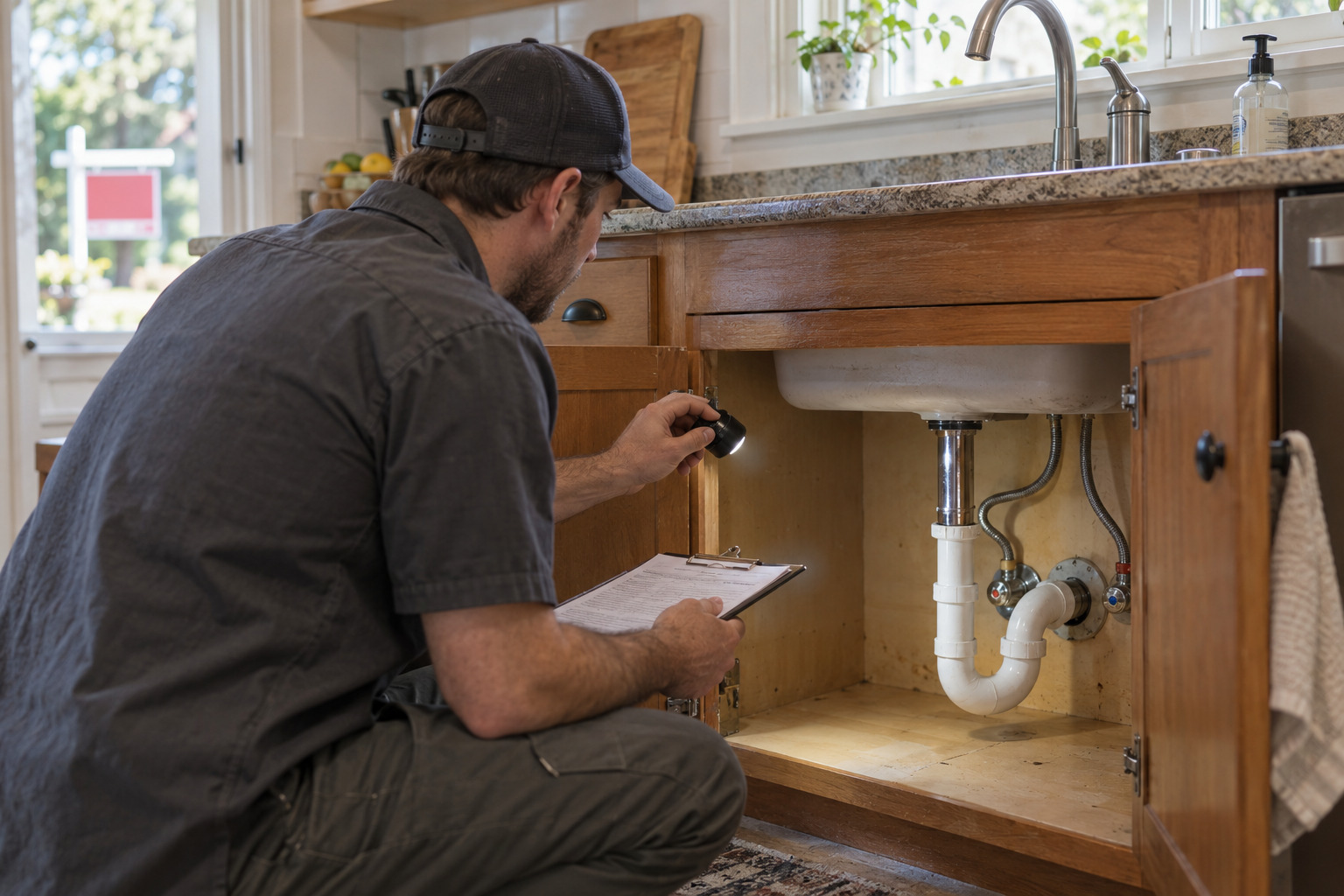
Preventive maintenance and regular inspections form the foundation of reliable plumbing system operation. Annual plumbing inspections help identify potential problems before they become costly emergencies, allowing property owners to budget for repairs and avoid unexpected disruptions.
Professional maintenance services include drain cleaning to prevent blockages, water heater flushing to remove sediment buildup, and comprehensive system checks to assess overall condition. Pipe camera inspections allow technicians to evaluate sewer line condition and locate potential blockages or damage without invasive excavation.
Water pressure testing and leak detection using advanced diagnostic equipment help identify hidden problems that could lead to water waste and property damage. These routine services extend system lifespan and maintain optimal efficiency, ultimately saving money on utility bills and major repairs.
Common Plumbing Problems Plumbers Solve
Professional plumbers regularly address a variety of common plumbing issues that affect both residential and commercial properties. Understanding these frequent problems helps property owners recognize when professional intervention is necessary and what to expect from repair services.
Clogged drains and toilets rank among the most frequent calls, caused by various factors including hair buildup, grease accumulation, foreign objects, or tree root intrusion in sewer lines. Professional drain cleaning services use specialized equipment like drain snakes and hydro jetting to clear blockages effectively without damaging pipes.
Leaky faucets, pipes, and fixtures not only waste water but can increase utility bills significantly. A single dripping faucet can waste over 3,000 gallons annually, making prompt repair both environmentally and economically important. Professional plumbers can quickly identify leak sources and provide lasting solutions.
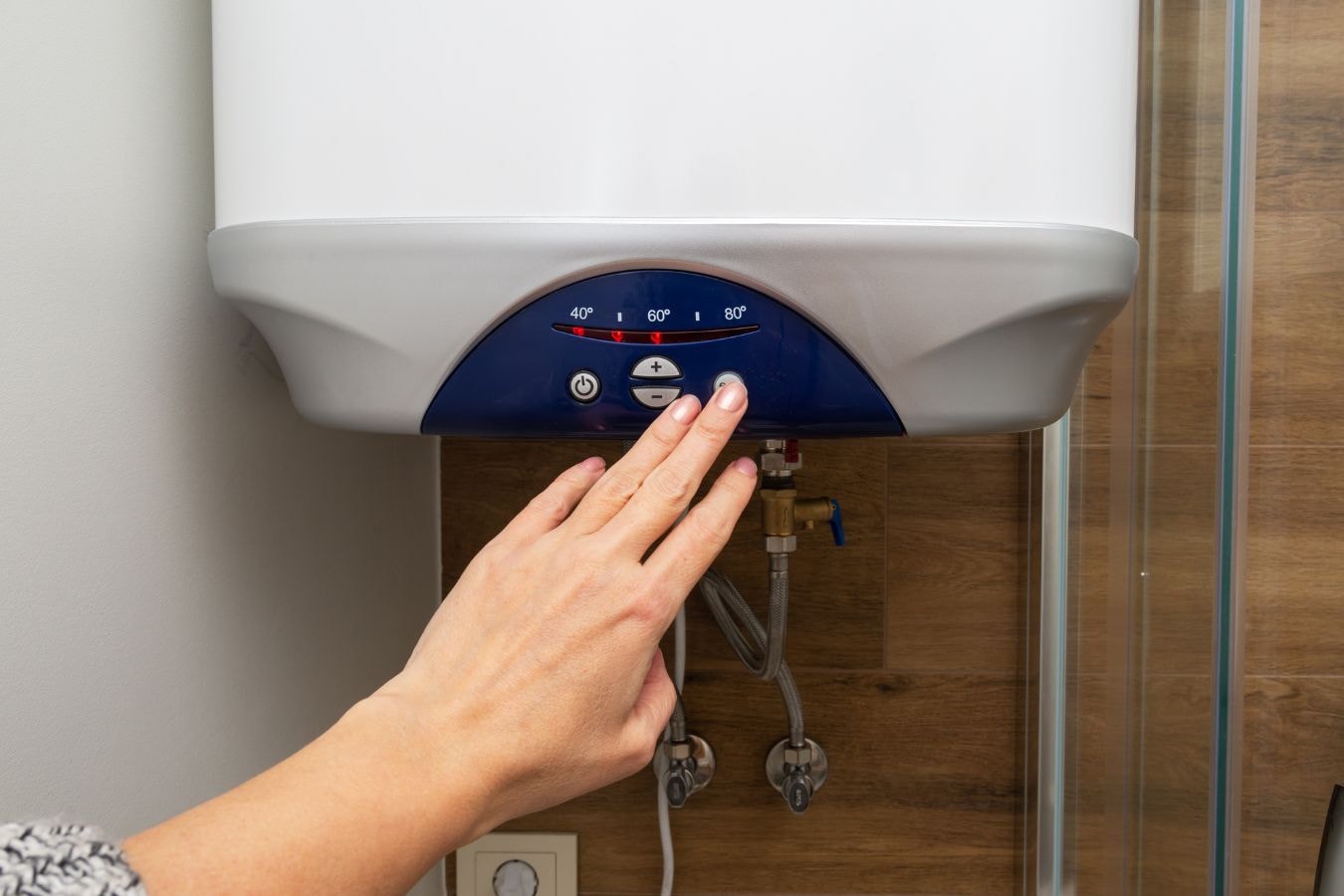
Water heater issues present another common category, including lack of hot water, strange noises, sediment buildup, and visible leaks. These problems often indicate the need for professional water heater repair or replacement, depending on the unit’s age and condition.
Low water pressure throughout a property or in specific fixtures can indicate various underlying issues, from mineral buildup in pipes to problems with the main water supply line. Professional assessment is often necessary to determine the root cause and appropriate solution.
Running toilets, sewage backups, and garbage disposal malfunctions round out the list of frequent plumbing problems. Each requires specific expertise to diagnose and repair safely and effectively.
Residential vs Commercial Plumbing Services
The distinction between residential and commercial plumbing services extends beyond simple scale differences, encompassing specialized knowledge, licensing requirements, and regulatory compliance. Understanding these differences helps property owners choose the right service provider for their specific needs.
Residential plumbers focus on home systems including single-family houses, townhomes, and apartment complexes. These professionals handle typical household fixtures, appliances, and systems designed for family-sized usage patterns. Residential work typically involves standard pipe sizes, conventional fixtures, and straightforward drainage systems.
Commercial plumbing addresses the needs of office buildings, restaurants, hospitals, retail establishments, and industrial facilities. These environments often require larger capacity systems, specialized fixtures, and complex distribution networks. Commercial projects frequently involve coordination with general contractors, building managers, and other trades during construction or renovation projects.
Different licensing requirements and specialized knowledge apply to commercial applications. Commercial plumbers must understand building codes specific to public and business use, including accessibility requirements, health department regulations, and fire safety systems. Many commercial projects also require additional certifications for specific systems like medical gas or specialized industrial applications.
Both residential and commercial plumbing must adhere to local codes, but commercial projects typically face additional regulations regarding public safety, environmental protection, and accessibility compliance.
How to Choose the Right Plumber
Selecting a reliable plumber requires careful consideration of several factors that ensure quality workmanship, fair pricing, and professional service. The process begins with verifying proper licensing and insurance coverage, which protects property owners against potential damages and ensures compliance with local regulations.
Checking Better Business Bureau ratings and online customer reviews provides valuable insight into a plumbing company’s reputation and service quality. Look for patterns in customer feedback regarding response times, work quality, and pricing transparency. Local recommendations from friends, neighbors, and hardware stores often provide the most reliable referrals.
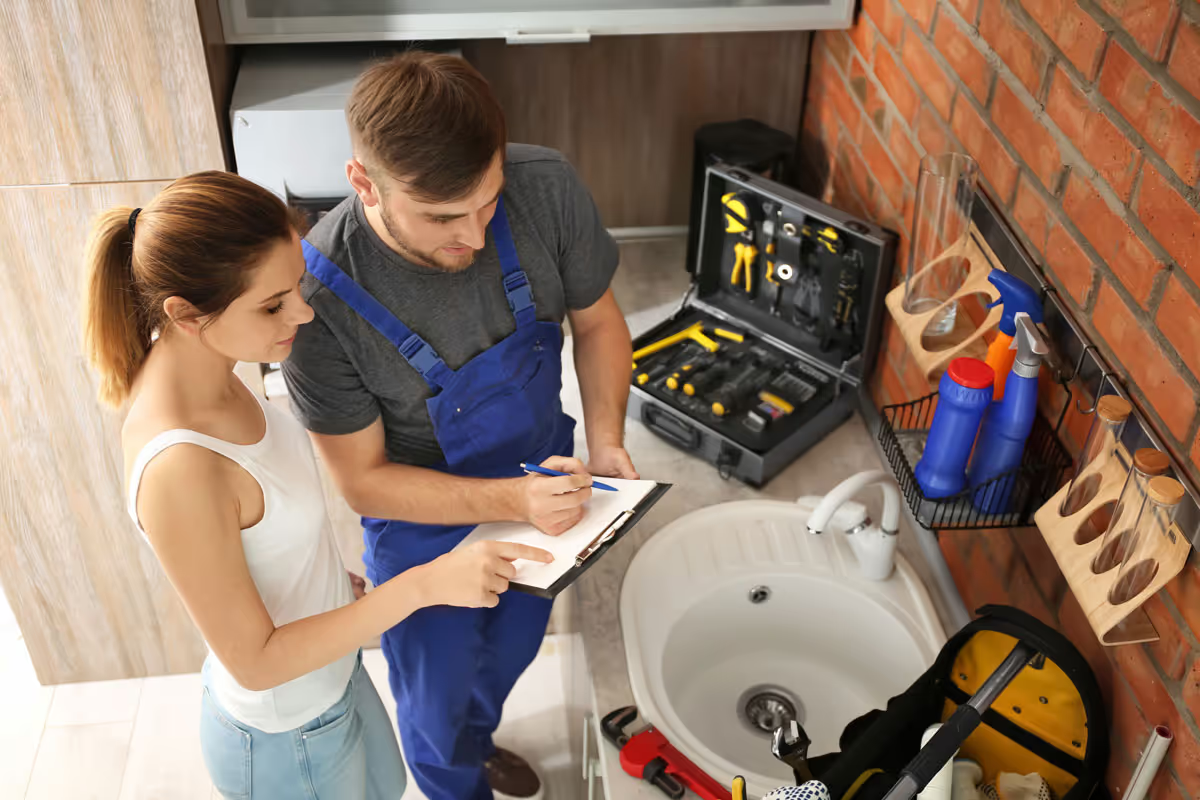
Request detailed written estimates that clearly break down labor and material costs. Reputable plumbing companies provide upfront pricing without hidden fees, allowing customers to make informed decisions about their plumbing needs. Compare estimates from multiple providers, but remember that the lowest price doesn’t always represent the best value.
Ask about warranties on workmanship and parts used in repairs. A trusted plumbing company stands behind their work with guarantees that protect customers from defective materials or installation errors. Confirm availability for emergency services if you may need future assistance with urgent plumbing issues.
Questions to Ask Before Hiring
Before hiring a plumber, ask specific questions that reveal their qualifications and business practices. Start by requesting their license number and verifying it with the state licensing board. This simple step confirms the plumber’s legal authority to perform work in your area.
Inquire about free estimates and warranty coverage. Professional companies typically provide written estimates at no charge and offer warranties ranging from 90 days to several years depending on the type of work performed. Understanding warranty terms protects you from additional costs if problems arise after completion.
Ask about the company’s experience and local references. Established businesses can provide references from recent customers and have a track record you can verify. Find out their typical response time for emergency calls and whether they charge additional fees for after-hours service.
Discuss financing options for major repairs or installations. Many reputable plumbing companies offer payment plans or financing programs that make significant projects more affordable. This flexibility can be especially valuable for unexpected emergencies or planned upgrades.
Plumbing Costs and Pricing Factors
Understanding plumbing costs and pricing factors helps property owners budget appropriately and make informed decisions about repairs and installations. Pricing varies significantly based on several factors including location, complexity of work, materials chosen, and timing of service calls.
Emergency service calls typically cost $300-$500 more than scheduled appointments due to after-hours labor rates and expedited response requirements. This premium pricing reflects the immediate availability and specialized equipment required for urgent situations.
Labor rates generally range from $75-$150 per hour depending on geographic location and project complexity. Master plumbers and specialists may command higher rates due to their advanced training and expertise. Material costs vary significantly based on fixture quality and brand selection, with premium options costing substantially more than standard alternatives.
Major projects like whole-house repiping can range from $5,000-$15,000 or more, depending on home size, pipe materials chosen, and accessibility of existing systems. Water heater replacement typically costs $1,200-$3,500 depending on type (tank vs. tankless), size, and installation requirements.
Simple repairs like basic drain cleaning usually range from $100-$300, while more complex issues requiring specialized equipment or extensive diagnostics cost more. Always request detailed estimates that separate labor, materials, and any additional fees to understand total project costs.

When to Call a Professional Plumber
Recognizing when to call a professional plumber can prevent minor issues from becoming major disasters. Certain plumbing problems require immediate professional attention due to safety concerns or potential for significant property damage.
Multiple drains backing up simultaneously often indicates main sewer line problems that require professional diagnosis and repair. These situations typically worsen quickly and can cause sewage backups throughout the property if not addressed promptly.
Complete lack of hot water or water heater problems including strange noises, visible leaks, or pilot light issues require professional assessment. Water heaters involve both water and gas or electrical systems, making DIY repairs potentially dangerous.
Visible water damage, wet spots on walls or ceilings, or unexplained increases in water bills often indicate hidden leaks requiring professional leak detection services. These problems can cause structural damage and mold growth if not addressed quickly.
Sewage odors, gurgling sounds from drains, or water backing up in multiple fixtures suggest serious drainage problems. These issues often indicate blockages or damage in main sewer lines that require professional equipment and expertise to resolve safely.
Frozen pipes represent an emergency situation requiring immediate professional attention to prevent bursting and water damage. Any suspected gas leaks also require immediate professional response due to explosion and safety risks.
Major installations like new fixtures during bathroom or kitchen remodels benefit from professional installation to ensure code compliance and proper function. Professional installation also protects manufacturer warranties that may be voided by improper installation.
Plumbing Specializations and Certifications
The plumbing profession includes various specializations and certifications that indicate advanced training and expertise in specific areas. Understanding these qualifications helps property owners choose the most appropriate professional for their specific needs.
Master plumbers represent the highest level of professional qualification, having completed extensive apprenticeships, passed rigorous examinations, and demonstrated years of experience. Master plumbers can supervise other plumbers, pull permits for major projects, and handle the most complex installations and repairs.
Journeyman plumbers have completed formal apprenticeships and obtained state licensing, qualifying them to perform most plumbing work under supervision. These professionals represent the backbone of the industry and handle the majority of routine repairs and installations.
Specialized certifications exist for specific areas including green plumbing technologies, medical gas systems, and backflow prevention devices. These certifications require additional training and demonstrate expertise in specialized applications that require advanced knowledge.
Brand-specific certifications for manufacturers like Rheem, Bradford White, or Rinnai indicate specialized training on particular equipment lines. These certifications often provide access to extended warranties and technical support not available to general contractors.
Additional certifications cover septic systems, well pumps, and irrigation systems. These specializations require knowledge of different regulations and technologies specific to water supply and waste management in rural or specialized applications.
When selecting a plumber, ask about relevant certifications for your specific project. Specialized work often benefits from technicians with specific training and certification in the required systems or equipment.
Professional plumbing services encompass a vast range of skills and specializations designed to maintain the safety, efficiency, and functionality of water supply and drainage systems. From emergency repairs that prevent property damage to planned installations that enhance comfort and value, professional plumbers serve as essential partners in property maintenance and improvement.
The investment in quality plumbing services pays dividends through reliable system operation, compliance with safety codes, and peace of mind knowing that work is performed by licensed, insured professionals. Whether you’re dealing with a plumbing emergency, planning a renovation project, or seeking routine maintenance, choosing the right professional ensures your plumbing needs are met with expertise and reliability.
Take time to research and verify credentials, request detailed estimates with honest pricing, and don’t hesitate to ask questions about warranties and guarantees. A reliable plumber will welcome your questions and provide clear, upfront information about all aspects of the job. Remember that the cheapest option isn’t always the best value when it comes to your property’s plumbing system – prioritize quality, reliability, and proper licensing to protect your investment and ensure lasting results.
.png)