Well Water & Hard Water Solutions for Nevada County Homes
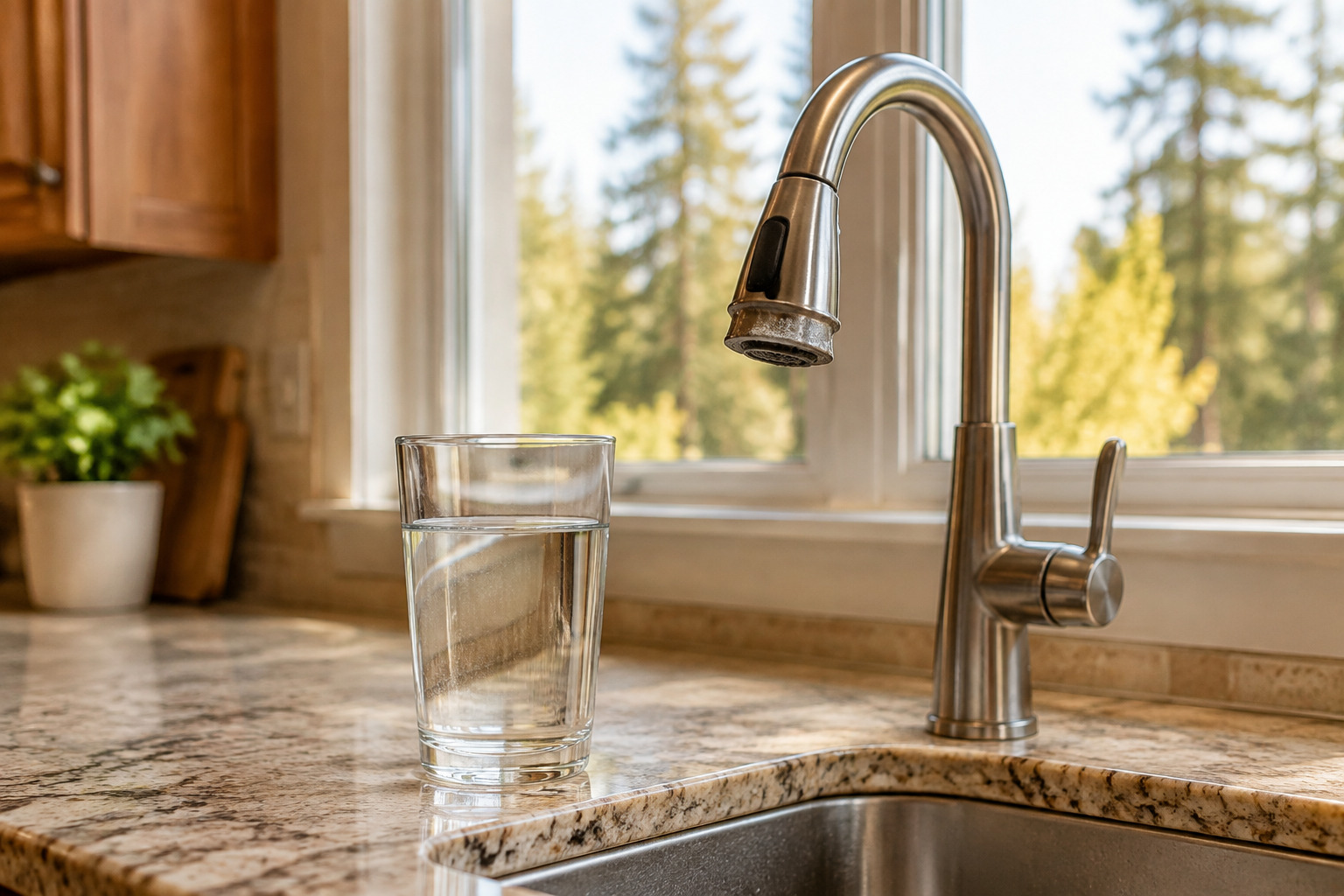
If your dishes come out spotty, your skin feels dry after every shower, and your water heater seems to wear out faster than it should, you’re not imagining things. A lot of Nevada County homes deal with hard water, well water, or both, and the effects add up quietly over time.
The good news is that these are solvable problems. This guide covers how common hard water is around Grass Valley, the signs to look for, what it does to your plumbing, and how to choose the right treatment for your home.
Is hard water common in Grass Valley and Nevada County?
Yes. Hard water is common throughout Grass Valley, Nevada City, and the surrounding Nevada County foothills. Our water picks up minerals like calcium and magnesium as it moves through the granite and mineral-rich ground of the Sierra foothills, and that’s what makes it “hard.”
The situation is even more pronounced for the many county homes that run on private wells. Well water isn’t treated by a municipal system, so whatever minerals, sediment, and other elements are in the ground can end up coming straight out of your tap. That’s why two neighbors can have very different water quality depending on their well and location.
What are the signs your home has hard water?
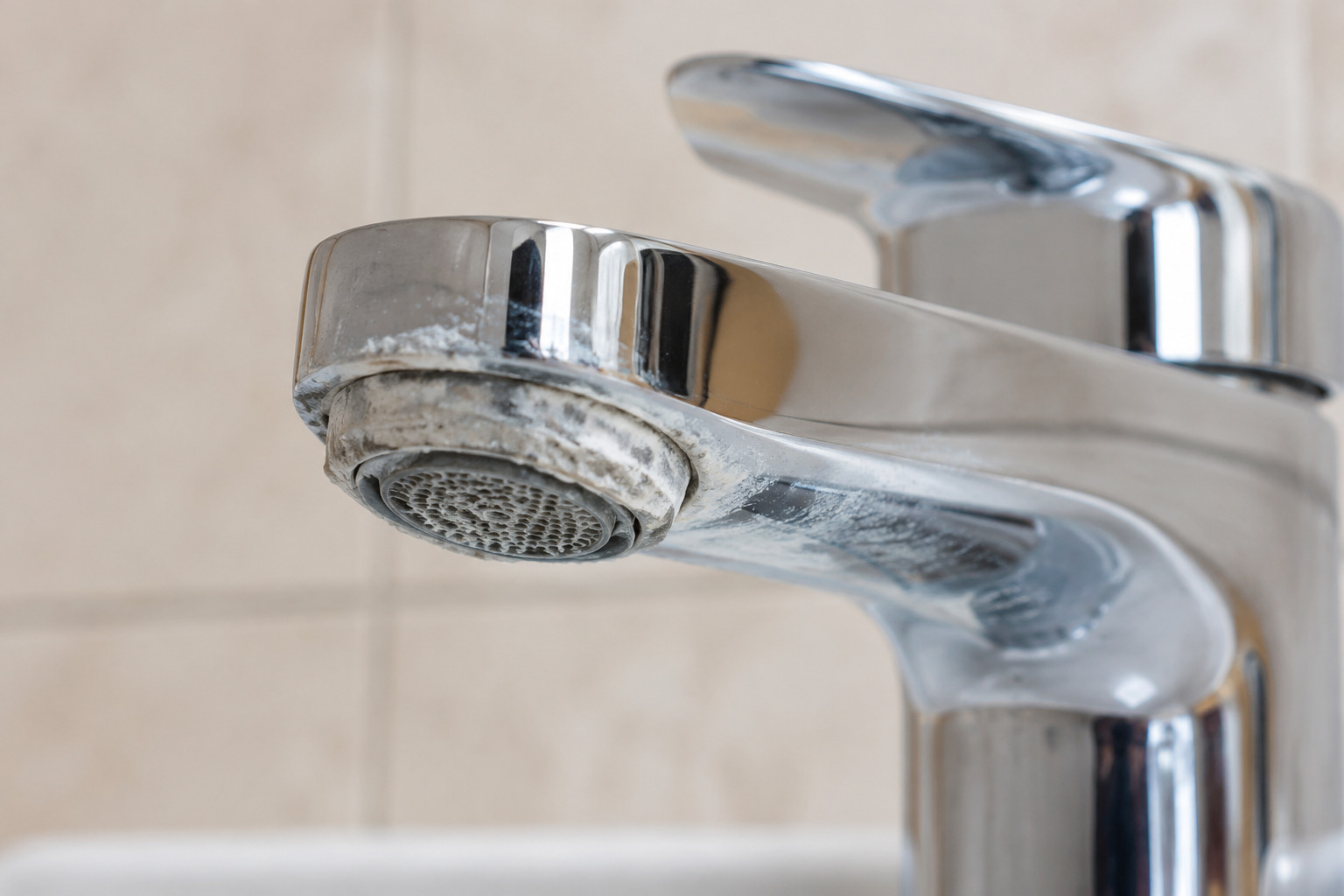
The clearest signs of hard water are chalky white buildup and reduced performance around the house. Watch for these:
- White, crusty scale on faucets, showerheads, and around drains
- Spotty or cloudy dishes and glassware, even straight out of the dishwasher
- Soap and shampoo that won’t lather well, plus dry skin and dull hair after showering
- Stiff, faded laundry that wears out sooner than it should
- Low water pressure caused by scale slowly narrowing your pipes
- Appliances like dishwashers, washing machines, and water heaters failing earlier than expected
One or two of these might not mean much on their own. Several of them together are a strong sign your home has hard water worth treating.
How hard water damages your pipes, fixtures, and water heater
Every time hard water runs through your plumbing, it leaves a little mineral scale behind. Over months and years, that buildup accumulates inside pipes, restricting flow and dropping your water pressure. It coats fixtures and clogs aerators, and it shortens the life of anything that heats or moves water.
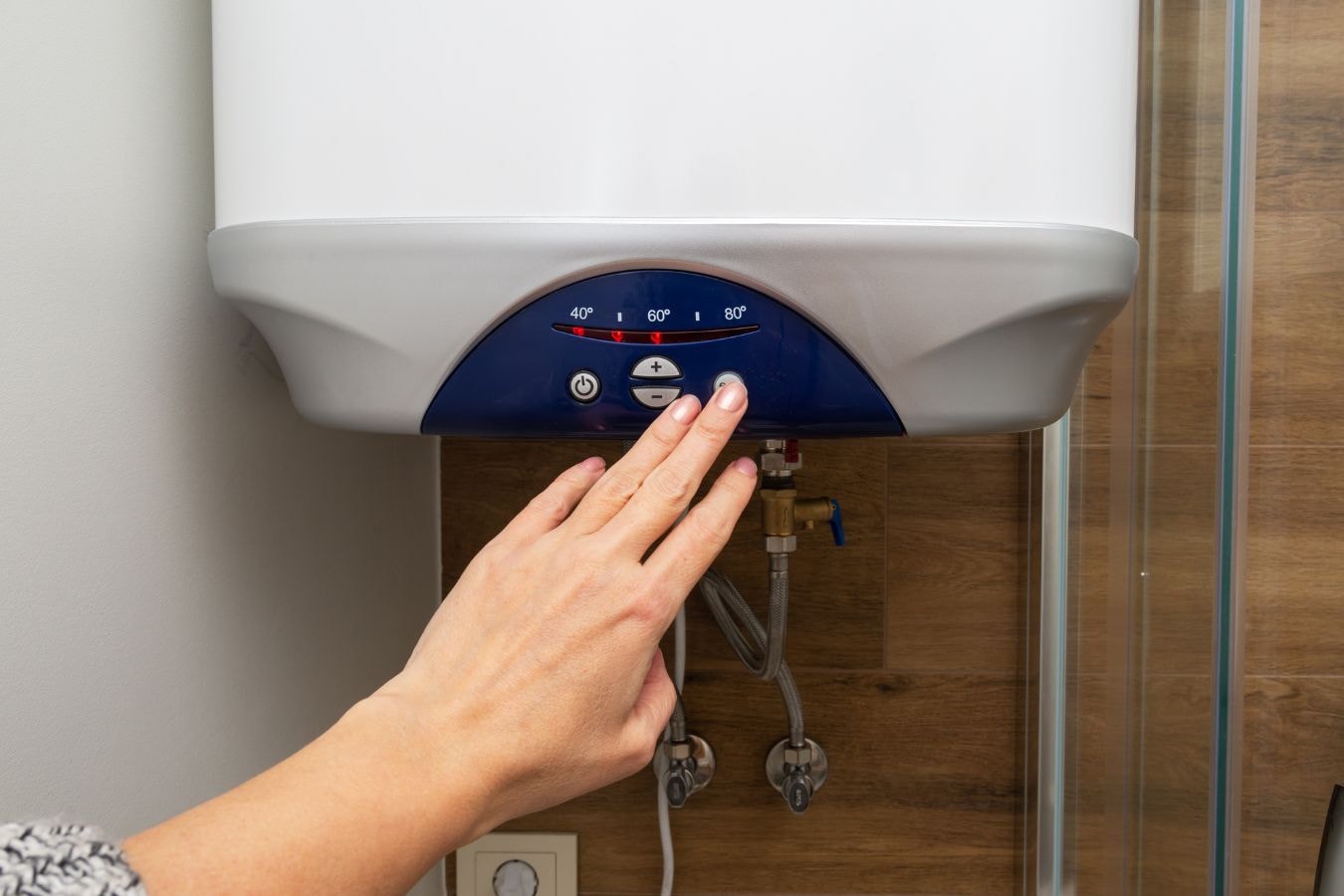
Your water heater takes the hardest hit. Minerals settle to the bottom of the tank as sediment, forcing the unit to work harder and burn more energy to heat the same amount of water. That extra strain leads to higher energy bills, that rumbling or popping sound in an aging tank, and a water heater that fails years before it should. Treating hard water is one of the best ways to protect the water heater investment you’ve already made, which is why we look at water quality whenever we service or replace one.
Well water vs. city water: what’s different for your plumbing
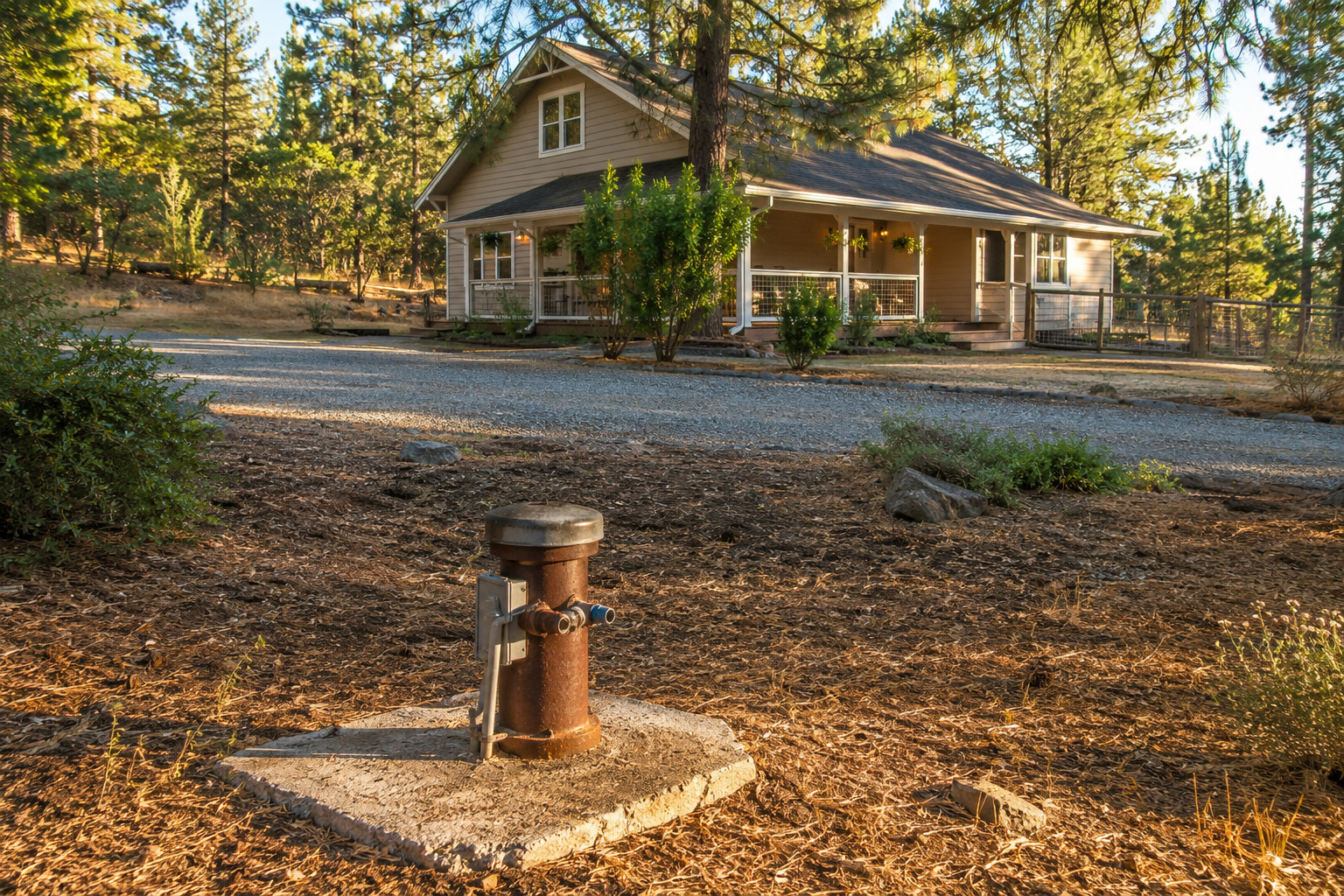
The biggest difference is treatment. City water arrives already filtered and disinfected to public safety standards. Well water is your responsibility, so its quality depends entirely on your well and the ground around it.
Well water can carry more than just hardness minerals. Depending on your location it may include sediment and grit, iron that causes orange or brown staining, sulfur that creates a rotten-egg smell, or bacteria that call for disinfection. Because every well is different, the right solution starts with testing your specific water rather than guessing. City-water homes usually only need to address hardness, while well-water homes often benefit from a combination of filtration and treatment tailored to what’s actually in the water.
Water softener vs. water conditioner vs. filtration: which do you need?
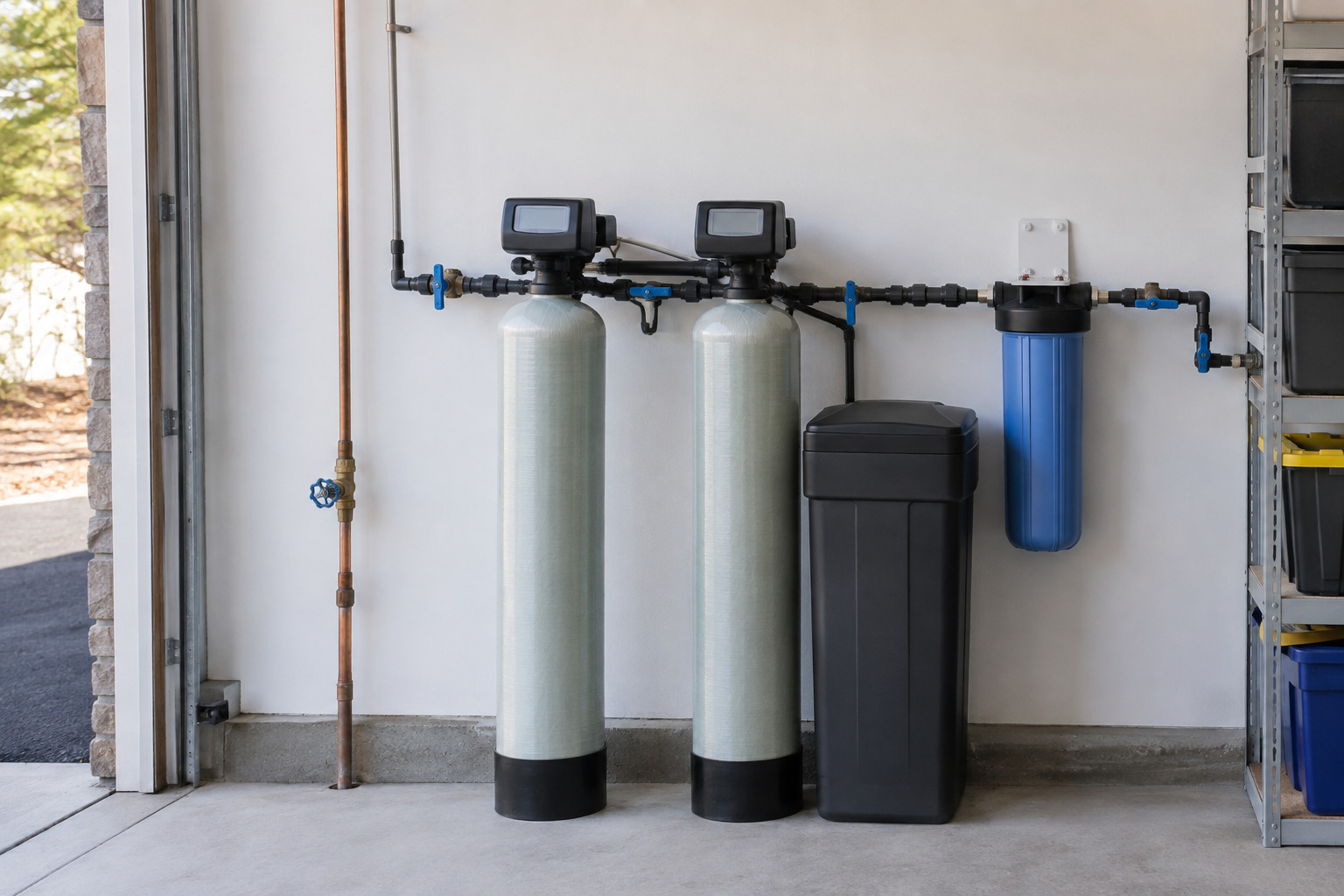
These three tools solve different problems, and many homes end up using more than one together:
- Water softener. Removes the calcium and magnesium that cause hardness, usually by exchanging them for sodium. This is the classic fix for scale buildup, spotty dishes, and dry skin, and it does the most to protect your pipes and water heater.
- Water conditioner. Alters how minerals behave so they don’t stick and form scale, without removing them. It’s a salt-free option that appeals to people who want less maintenance and don’t want added sodium, though it works differently than a true softener.
- Filtration. Targets things other than hardness, such as sediment, iron, sulfur, chlorine, or contaminants. Well-water homes especially benefit from filtration matched to their specific water test.
Which combination is right comes down to whether you’re on a well or city water and what your water actually contains. A quick water test tells us far more than any general rule of thumb, so we always start there before recommending equipment.
What does a whole-house water treatment system cost?
A whole-house water treatment system in the Grass Valley area generally ranges from a modest investment for a basic softener up to several thousand dollars for a full well-water filtration and softening setup. The price depends on the type of system, the size of your home, your water’s specific problems, and how much filtration your well requires.
Because well water varies so much from property to property, the honest answer is that we quote it after testing your water and evaluating your home. You’ll get a clear, flat-rate price up front with no hidden fees, so you can weigh the cost against the savings on energy bills, appliance replacements, and repairs down the road.
Frequently asked questions
Do I need to test my well water? Yes, and regularly. Testing is the only way to know what’s actually in your water, from hardness minerals to iron, sulfur, or bacteria. It’s also what lets a plumber recommend the right treatment instead of guessing. Well water should be tested periodically because ground conditions can change over time.
Will a water softener void my water heater warranty? In most cases a properly installed, correctly set softener protects your water heater rather than harming it, since it prevents the sediment buildup that damages tanks. Warranty terms vary by manufacturer, so it’s worth checking your specific unit. We’re happy to advise on setup that keeps your warranty intact.
How often does a filtration system need servicing? It depends on the system and your water quality, but most need periodic filter changes and occasional checks to keep working well. Homes on heavily mineralized well water may need service more often. We’ll give you a simple maintenance schedule based on your setup.
Is hard water dangerous to drink? Hard water is generally safe to drink and isn’t considered a health risk. The problems it causes are practical ones: scale, buildup, appliance wear, and nuisance effects on skin, hair, and laundry. Well water is a separate question, since it can contain contaminants that testing will reveal.
Ready to fix your home’s water?
Hard water and well water problems only get more expensive the longer they go untreated. Principled Plumbing Inc. helps homeowners across Grass Valley, Nevada City, and Nevada County test their water and install the right filtration, softening, or conditioning system for their home.
Book a home water assessment today. Call (530) 264-0464 or request your free quote, and let’s get your water working the way it should.
.png)